Like a Mountain
Sāriputtasutta (Udāna 4.4 )

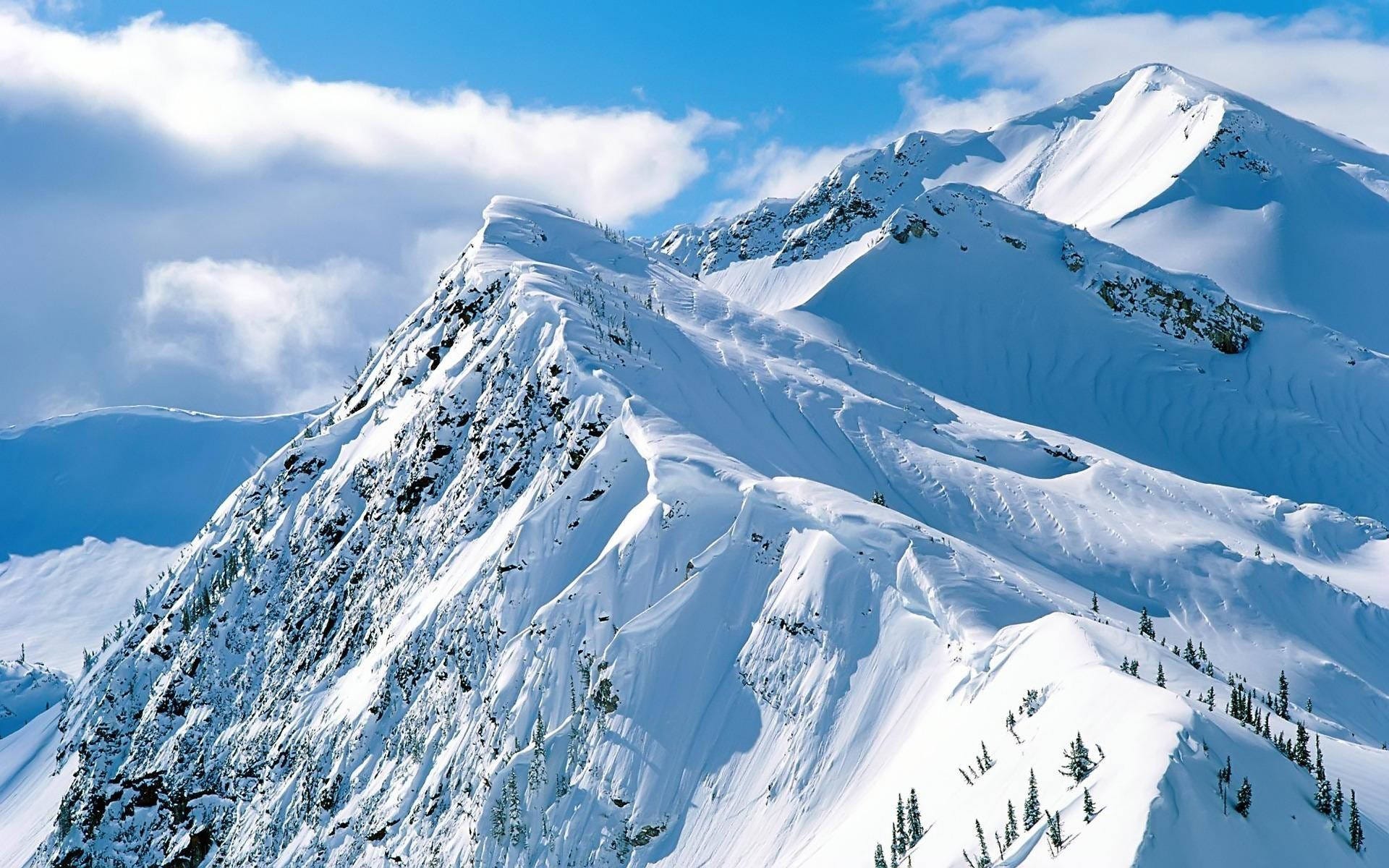
"Yathāpi pabbato selo, acalo suppatiṭṭhito;
Evaṃ mohakkhayā bhikkhu, pabbatova na vedhatī."
(Udāna 4.4)
Scene
Jetavana, the peaceful grove. The Buddha is staying at Anāthapiṇḍika’s monastery in Sāvatthī. Not far from him sits Āyasmā Sāriputta, the Buddha’s chief disciple in wisdom. He is in deep meditation — upright, immovable, aware.
The Buddha sees him, quietly radiant in his practice, and utters a verse — not to teach him, but to affirm the unshakable stillness he embodies.
Commentary
Yathāpi pabbato selo, acalo suppatiṭṭhito...
“Just as a rocky mountain, firm and well-established...”
This is not just any mountain — it is selo, a crag, a massif, something with weight and rootedness. The image evokes gravity, dignity, and silent presence.
What is immovable here? Not just the body, but the mind. Like a mountain that does not tremble in wind or storm, the well-trained mind remains undaunted by the world.
Evaṃ mohakkhayā bhikkhu, pabbatova na vedhatī.
“So too, the monk with the destruction of delusion does not tremble, like a mountain.”
Delusion (moha) is not just confusion — it's the fog that hides things as they are. Its destruction (mohakkhaya) is the key to true seeing. The arahant no longer believes the lies of fear, gain, loss, praise, blame.
He does not tremble (na vedhatī). Not because he’s cold — but because he is steady. Emotions may come, but they do not shake his foundation.