

Iriyāpatha
The Four Postures and the Art of Continuous Presence

There is a teaching in Buddhism so simple, so close to us, that we almost always overlook it. It concerns something we do every moment of every day, from birth until death—something so familiar we never think to investigate it.
We move. We stand. We sit. We lie down.
These are the four postures (iriyāpatha): walking, standing, sitting, and lying down. And according to the Buddha’s own instructions, they are a complete meditation practice in themselves.
What Is Iriyāpatha?
The Pali word iriyāpatha means “mode of movement” or “posture.” It refers to the four fundamental positions of the human body:
PosturePaliDescriptionWalkingGacchanto vāMoving through space, one step after anotherStandingṬhito vāRemaining upright, supported by the feetSittingNisinno vāResting on a surface, body at restLying downSayāno vāReclining, usually for rest or sleep
The Buddha’s instruction is famously simple yet profoundly deep:
“When walking, a monk understands: ‘I am walking.’ When standing, he understands: ‘I am standing.’ When sitting, he understands: ‘I am sitting.’ When lying down, he understands: ‘I am lying down.’ He understands any posture his body assumes.”
— Satipaṭṭhāna Sutta (MN 10)
This is not a philosophical statement. It is a training instruction. It asks us to do something revolutionary: to actually know what the body is doing, moment by moment, with a clarity that penetrates the automaticity of habit.
The Radical Act of Knowing
Why is this radical? Because we almost never truly know what the body is doing.
Try it now: As you read these words, are you aware of the posture of your body? The weight distributed through your seat? The position of your spine? The subtle adjustments your body makes to maintain balance?
For most of us, the answer is no. The body is running on autopilot while the mind is elsewhere—planning, remembering, worrying, imagining. The body is present, but we are not.
Iriyāpatha practice is the training of presence. It is learning to inhabit the body so fully that the division between “the one who knows” and “the body that moves” begins to dissolve.
The Practice in Daily Life
The beauty of iriyāpatha is that it requires no special time, no special place, no special equipment. It is practiced within the flow of daily activity.
Walking
When you walk to the bus, to the kitchen, to your office—simply know that you are walking. Feel the pressure of each foot as it makes contact with the ground. Notice the shift of weight from one leg to the other. Feel the air moving past your skin. The entire universe of experience is present in each step, but we usually miss it because we are already at the destination in our minds.
Standing
When you stand waiting—for a train, for a meeting to begin, for water to boil—simply know that you are standing. Feel the soles of your feet. Notice the subtle adjustments of balance. Be aware of the verticality of the body, held upright against gravity. This moment of standing, usually experienced as “waiting” (and therefore as something to get through), becomes a moment of complete presence.
Sitting
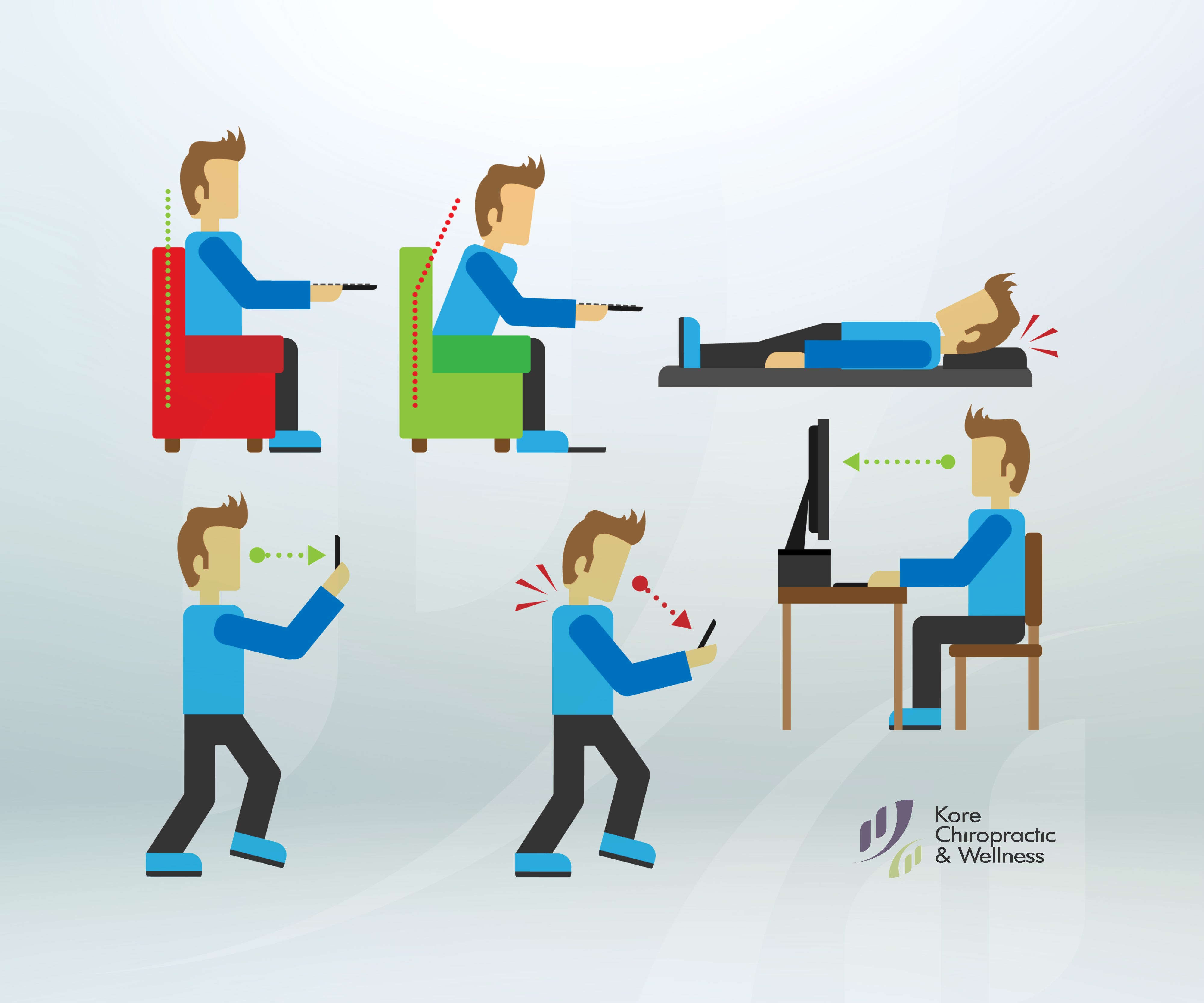
When you sit—at your desk, on the couch, in meditation—simply know that you are sitting. Feel the points of contact with the surface beneath you. Notice the posture. Is the spine erect or slumped? Is there tension anywhere? The simple act of sitting, usually overlooked, becomes a meditation.
Lying Down
When you lie down—to rest, to sleep, to recover from illness—simply know that you are lying down. Feel the body supported by the bed, the floor, the earth. Notice the release of effort. Even in this most vulnerable posture, awareness can remain.
Beyond the Postures: The Breakthrough
The practice of iriyāpatha is not merely about being mindful of postures. It is a doorway to deeper insight.
When we observe the body in its four postures with continuity of attention, we begin to notice something: the body is not a single, permanent entity but a process, constantly changing, constantly moving from one posture to another.
The walking body is not the standing body.
The standing body is not the sitting body.
The sitting body is not the lying body.
And none of them last.
What, then, is “my body”? Where is the permanent, solid entity we call “self”? The continuous observation of postures reveals directly what the texts teach conceptually: the body is a flow, a process, a dependently arising phenomenon with no fixed core.
This is the breakthrough from sati (mindfulness) to vipassanā (insight). Watching the postures, we see impermanence (anicca) directly—each posture arising and passing. We see unsatisfactoriness (dukkha)—the body’s constant need to shift, to adjust, to find comfort. And we see not-self (anattā)—no owner of these postures, only the postures themselves arising and passing in the field of awareness.
The Story of the Monk and the Postures
There is a story from the Thai Forest tradition of a monk who practiced iriyāpatha with such dedication that he maintained mindfulness through every change of posture for years. One day, as he was lying down to rest, he noticed something extraordinary: even the intention to change posture arose and passed away before any movement occurred. The intention was not “his”; it was a natural, conditioned phenomenon. And in that moment, the last vestiges of identification with the body dissolved.
He did not become a body that moves. He became space in which movement occurs.
Integrating the Practice
Here is a simple way to begin working with the four postures:
Choose one posture to focus on each day. Perhaps today, commit to knowing when you are sitting. Just that.
Set reminders. Use daily transitions—walking through a doorway, sitting down at your desk—as cues to check in with the body’s posture.
Note the transitions. The moments between postures are especially powerful. When you go from sitting to standing, notice the transition. When you begin to walk, notice the first step.
Extend gradually. Over time, the mindfulness of postures will begin to permeate more and more of your day. Eventually, it becomes continuous—a background awareness that never loses contact with the body’s position.
Investigate. As continuity develops, begin to notice the characteristics of each posture. How long does standing last before it becomes uncomfortable? What is the nature of the intention to change position? Who is the one who knows?
The Body as Path
The Buddha did not teach meditation on the body because the body is special. He taught it because the body is always present. It is the one thing we cannot escape. And what we cannot escape, we can use as a vehicle for awakening.
Every posture is an opportunity. Every shift of position is a reminder. Every moment of embodied presence is a step on the path.
The four postures are not just ways of holding the body. They are ways of holding awareness itself. And when awareness learns to rest in the body’s movement, the body becomes not a prison but a temple—a sacred ground where liberation is realized, step by step, breath by breath, posture by posture.